Trying to decide between Verrado and Tartesso in Buckeye? You are not alone. Both are popular master-planned communities with different strengths, and the right fit depends on your lifestyle, budget, and timeline. In this guide, you will learn the key differences in housing, amenities, HOAs, schools, commute patterns, and what to verify on your tours so you can choose with confidence. Let’s dive in.
Quick snapshot: two strong choices
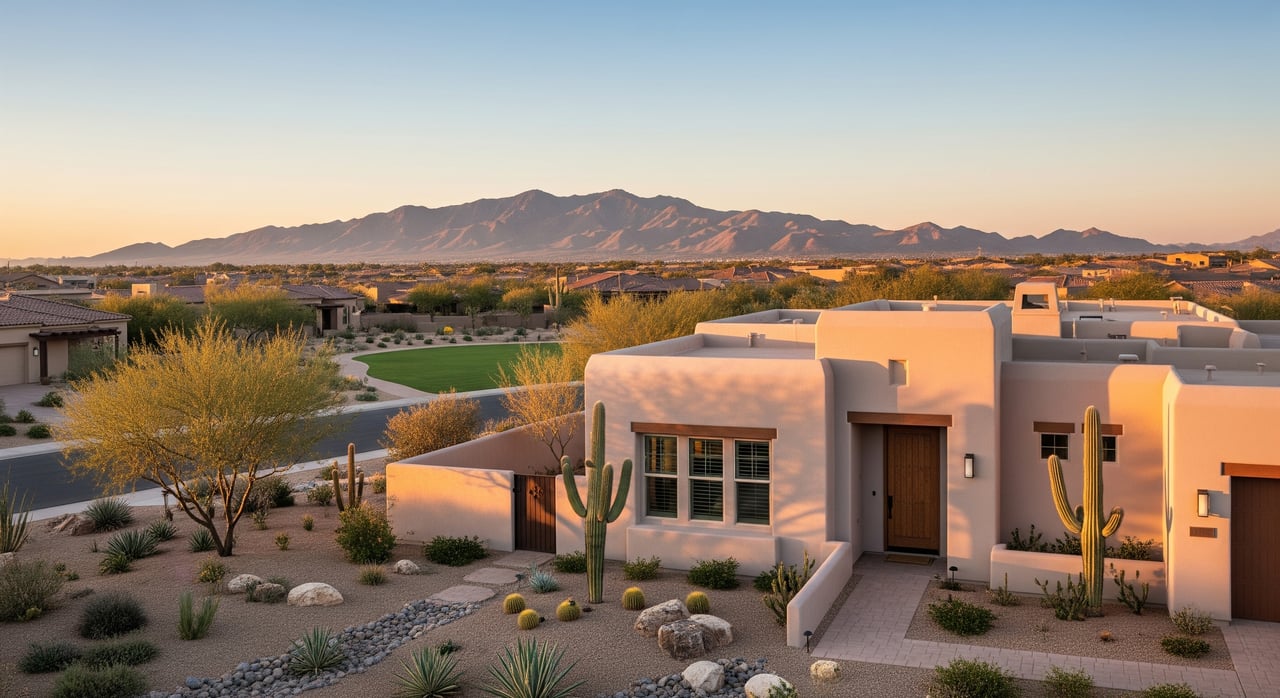
Verrado is a more established master-planned community designed around a small-town main-street concept. You will notice mature landscaping, an active neighborhood identity, and a mix of housing types from attached options to larger single-family and custom homes.
Tartesso is part of newer large-scale development in Buckeye. It often draws value-focused buyers who want newer construction, modern floorplans, and family-friendly planning with parks and schools, plus room for continued growth as phases build out.
Who each community tends to fit
| Category | Verrado | Tartesso |
|---|---|---|
| Age and feel | Established, small-town downtown feel, walkable areas | Newer, growth-in-process with ongoing development |
| Home types | Range from smaller attached to large single-family and custom | Primarily tract builders with modern floorplans |
| Amenities | Mature community identity and programming | Newer parks and schools, additional amenities may be planned |
| Buyer fit | Move-up buyers, professionals who value events and design | First-time and value-conscious buyers wanting new features |
These are tendencies, not rules. You will find a mix of buyers and homes in both areas.
Housing and home styles
In Verrado, you will see homes from multiple phases and builders, including attached options up through custom residences. The varied architecture and mature streetscapes add to its neighborhood identity. In Tartesso, you will often see newer production homes with contemporary layouts and value-minded pricing relative to more established areas.
What to verify during your search:
- Age of homes and which phases are actively selling new builds vs resale.
- Typical home and lot sizes in recent sales.
- Builder roster, model homes, and any semi-custom or custom options.
- Warranty coverage on newer homes and recent upgrades on resales.
Price points and market dynamics
Pricing can shift by phase, lot size, finishes, and market cycle. Established communities with built-out amenities can command a premium, while newer communities can offer attractive entry points and incentives. Instead of relying on broad websites, pull fresh, neighborhood-filtered comps and track days on market and price per square foot.
What to verify:
- Current median sale price and price per square foot in each community.
- Inventory levels and days on market for similar homes.
- Incentives or credits if you are considering a new build.
Amenities and community design
Verrado is known for its main-street concept and community programming. You will likely find mature parks and gathering spaces in established areas. Tartesso emphasizes family-friendly planning with newer parks and schools, and you may see ongoing buildout as the community grows.
What to verify:
- Which amenities are complete today versus planned for future phases.
- Condition and access of pools, parks, trails, and community centers.
- Any private clubs or special facilities and associated costs.
Schools and education
School assignments matter for many buyers. Boundaries can shift as new schools open, and capacity can change as communities grow. Keep your research current.
What to verify:
- Current district boundaries and attendance zones for elementary, middle, and high school.
- Official state report cards and district information.
- Any planned new schools that could adjust boundaries or capacity.
HOA structure, rules, and fees
Both communities use HOA structures that can include a master association and neighborhood-level HOAs. Fees, coverage, and rules vary by phase and sub-association.
What to verify:
- Master vs neighborhood HOA responsibilities and current fee schedules.
- CC&Rs, architectural guidelines, and rental or short-term rental policies.
- Reserve studies and any known assessments or planned capital projects.
Location and commute patterns
Buckeye sits farther from central Phoenix than many other Valley suburbs, so commute planning is key. Access to the I-10 and major West Valley job centers can be convenient, but peak-hour traffic varies.
What to verify:
- Real-time commute tests to your workplace during your regular travel times.
- Proximity to West Valley employment hubs like Goodyear, Avondale, and Glendale.
- Local road projects that could change travel times.
Utilities, water, and infrastructure
Utility providers can differ by neighborhood and phase. These details affect your monthly bills, service reliability, and future assessments.
What to verify:
- Water and sewer provider, any irrigation or reclaimed water for landscaping.
- Broadband provider options and speeds.
- Trash, recycling, and bulk pickup schedules.
Resale and long-term outlook
Resale strength depends on demand, community maturity, amenities, and overall market conditions. Established areas with active amenities can show steady buyer interest. Newer areas can offer value and appreciation potential as infrastructure and amenities are delivered.
What to verify:
- Historical resale trends and buyer profiles for each community.
- Nearby planned projects that could influence long-term value.
- Comparable sales for your specific home type and phase.
On-the-ground touring checklist
Use this list during your neighborhood drives and showings.
First impressions
- Note street tree maturity and overall landscaping.
- Look for active builder signage, model centers, and construction zones.
Property details
- Confirm home age, roof and HVAC dates, and warranty status.
- Check lot orientation and rear-yard sun exposure.
- Inspect exterior condition, irrigation, and fencing.
Community and amenities
- Visit the downtown or retail area to see if stores are open and active.
- Tour pools, parks, trails, and community centers for completion and maintenance.
- Drive the community during school drop-off and evening hours to observe traffic.
HOA and governance
- Request fee schedules, what is included, and reserve studies.
- Review CC&Rs for rental caps, exterior changes, and parking rules.
Schools and services
- Confirm current attendance zones with the district.
- Verify trash, recycling, and bulk pickup details.
Commute and environment
- Run commute tests at peak times to your real destinations.
- Check floodplain maps, drainage features, and any nearby industrial uses.
Financing and incentives
- For new builds, ask about incentives, lender requirements, and warranty coverage.
How we help you compare
Choosing between Verrado and Tartesso is easier when you have current data and practical guidance. Our West Valley team pairs expert buyer representation with in-house licensed contractors who can evaluate build quality, scope potential updates, and price out changes before you commit. We provide bilingual service in English and Spanish, clear negotiation strategy, and neighborhood-specific comps so you can buy with confidence.
If you are ready to explore, reach out to Imelda Reyes for a tailored side-by-side comparison, live commute tests, and a walkthrough of HOA, school, and amenity details for your short list.
FAQs
What are the biggest differences between Verrado and Tartesso?
- Verrado offers an established main-street feel with mature amenities and diverse housing, while Tartesso emphasizes newer construction, value, and ongoing growth.
How do prices compare between Verrado and Tartesso right now?
- Prices vary by phase, size, and finishes, so pull fresh MLS comps by neighborhood to compare current median price, price per square foot, and days on market.
Are amenities complete in both communities?
- Many are, but some features can still be planned, so verify what is finished today versus future phases by checking HOA or developer materials.
Which community offers a better commute to my job?
- Run real-time commute tests during your peak hours; Buckeye to central Phoenix is longer than some suburbs, but West Valley job hubs can be closer.
What should I review in the HOA before making an offer?
- Ask for fee schedules, CC&Rs, rental rules, architectural guidelines, and reserve studies to understand costs, restrictions, and maintenance plans.
How do schools differ between the two areas?
- School assignments depend on attendance boundaries that can change, so confirm current zones and review official district and state information before deciding.