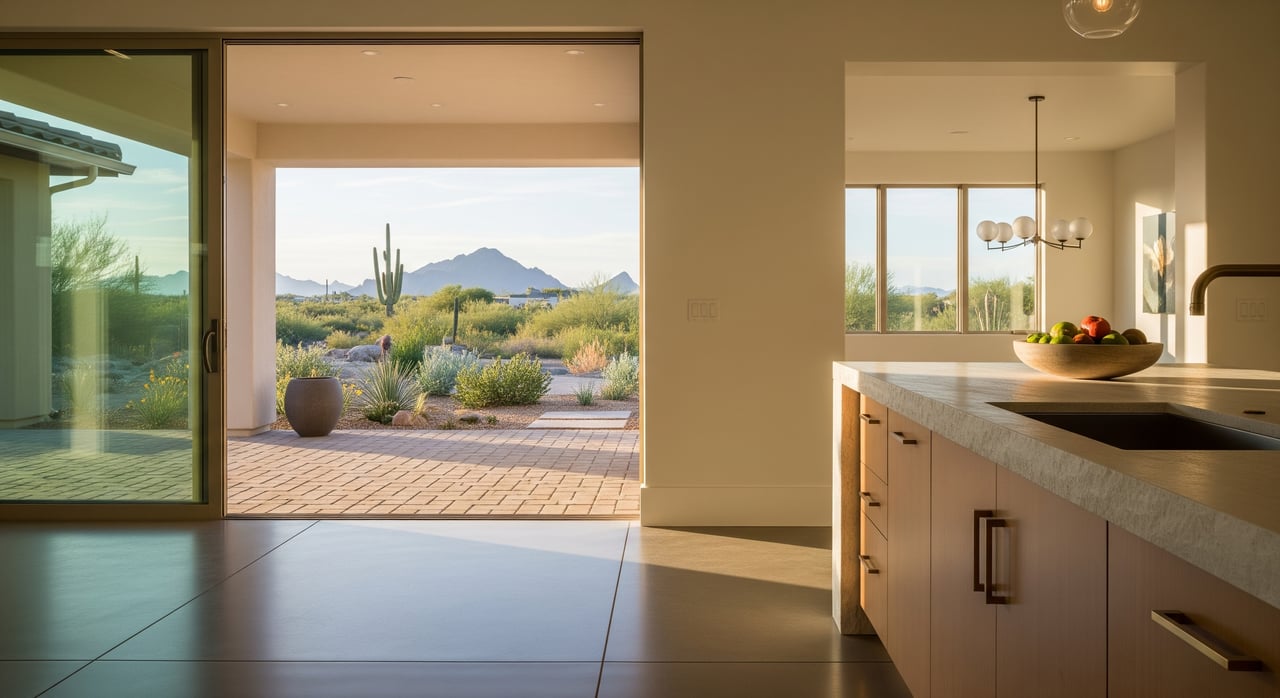
You’re almost at the finish line on your new Phoenix home. The final walkthrough is your chance to make sure everything works, looks right, and matches your contract before you get the keys. We know it can feel overwhelming, especially with desert heat, monsoon rains, and all the moving parts in a new build. This guide gives you a clear, Phoenix-specific checklist, plus simple steps to document issues and get them fixed. Let’s dive in.
Timing and who to bring
Schedule your final walkthrough as close to closing as your contract allows, often 48 to 72 hours before signing. Review your purchase contract and builder addenda for exact timeframes and punch-list deadlines. Plan for buyers, your agent, the builder’s representative, and, if you choose, a third-party home inspector or licensed contractor to attend.
Bring your spec sheets, contract, and the builder’s manual or checklist. If your builder allows, bring a flashlight and a small ladder for attic views and high areas. Walk during daylight so you catch cosmetic issues and see exterior grading clearly.
Phoenix climate and construction basics
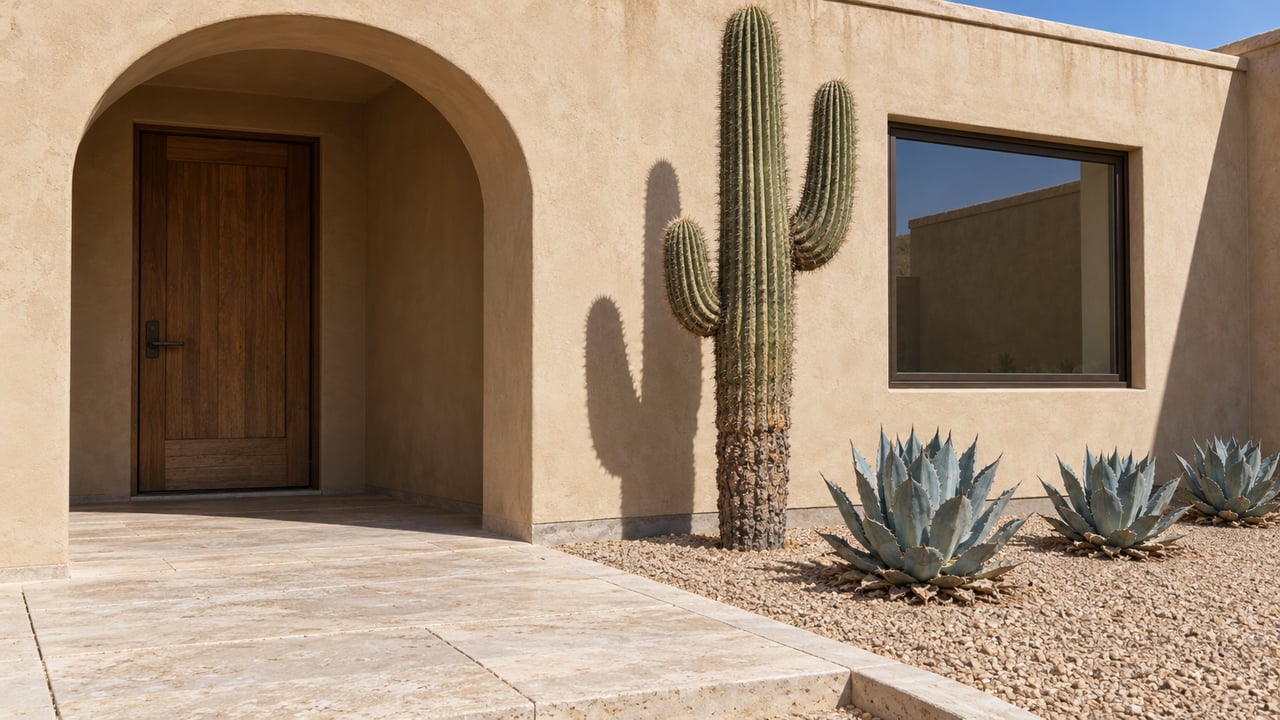
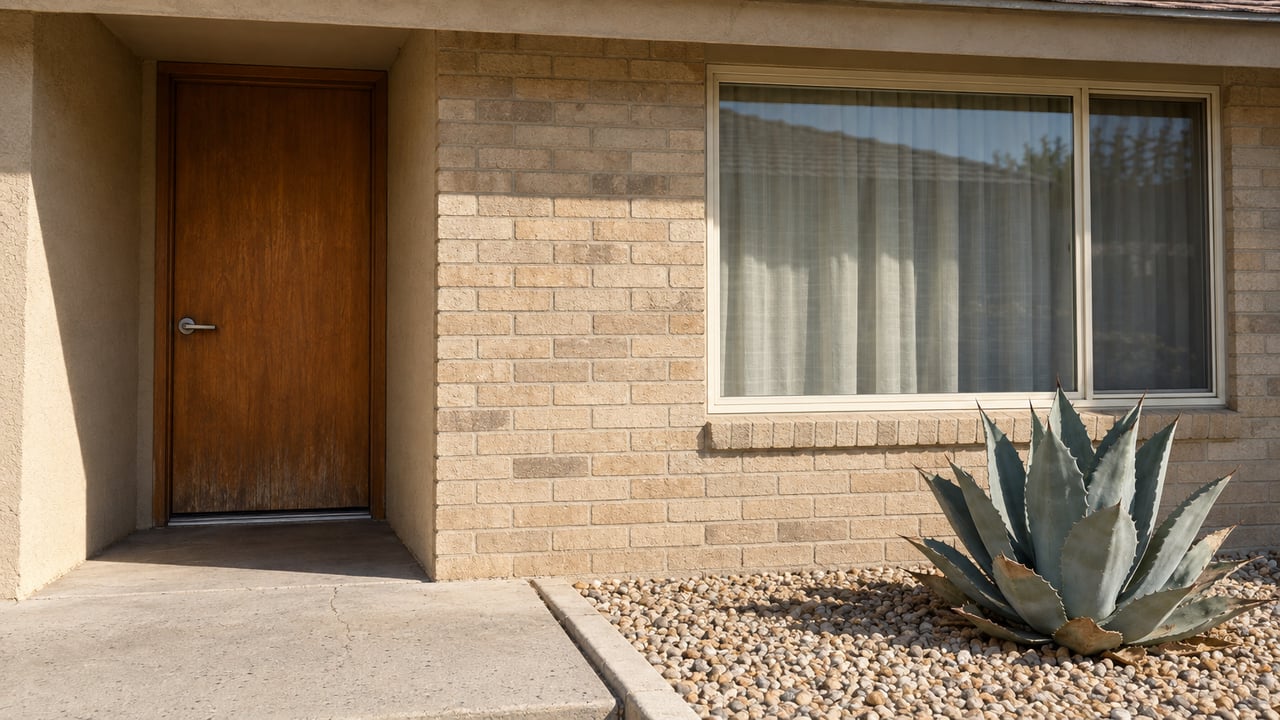
Phoenix homes deal with extreme heat, strong UV exposure, and seasonal monsoon storms from late June through September. Those conditions stress sealants, window coatings, roofing, and HVAC systems. Many homes here use stucco exteriors, concrete tile roofs, slab-on-grade foundations, and xeriscape landscaping with irrigation. Expansive clay soils and local grading practices make drainage checks important.
Your walkthrough should reflect that local context: focus on water control, HVAC performance, window seals, roof flashings, and exterior finishes.
Quick-start: top 10 checks
- Is there any sign of active leaks or standing water?
- Does the AC start, cool, and blow strong air at vents?
- Are smoke and carbon monoxide detectors installed and working?
- Does lot grading move water away from the foundation on all sides?
- Are roof tiles and flashings intact and secured?
- Do windows and doors open, close, and lock smoothly with intact weatherstripping?
- Are drywall, paint, tile, and cabinets finished cleanly and securely?
- Do irrigation zones run without overspray against the house?
- Are GFCI/AFCI outlets working, and is the electrical panel labeled?
- Are manuals, warranties, and any permit or inspection records provided?
Exterior and site
- Lot grading and drainage
- Look for a positive slope away from the foundation on all sides.
- Check for low spots near patios or walkways where water could pond after monsoon rains.
- Roof and flashing
- Scan for broken or loose roof tiles, especially at ridges and hips.
- Check roof-to-wall flashings and drip edges. Look for gaps at penetrations.
- Stucco and exterior joints
- Note hairline cracks and any unsealed joints, especially around control joints and terminations.
- Inspect transitions at windows, doors, and concrete for gaps that could admit water.
- Windows and doors
- Open, close, and lock each one. Check weatherstripping and even reveals around frames.
- Look for fogging or condensation between panes that can signal a failed seal.
- Garage
- Test the opener, auto-reverse safety sensors, and manual release.
- Confirm the door to living space self-closes and has proper weatherstripping.
- Driveways and hardscape
- Look for significant cracks, trip hazards, and proper drainage away from the house.
- Landscaping and irrigation
- Run each zone. Watch for leaks and overspray onto stucco or foundations.
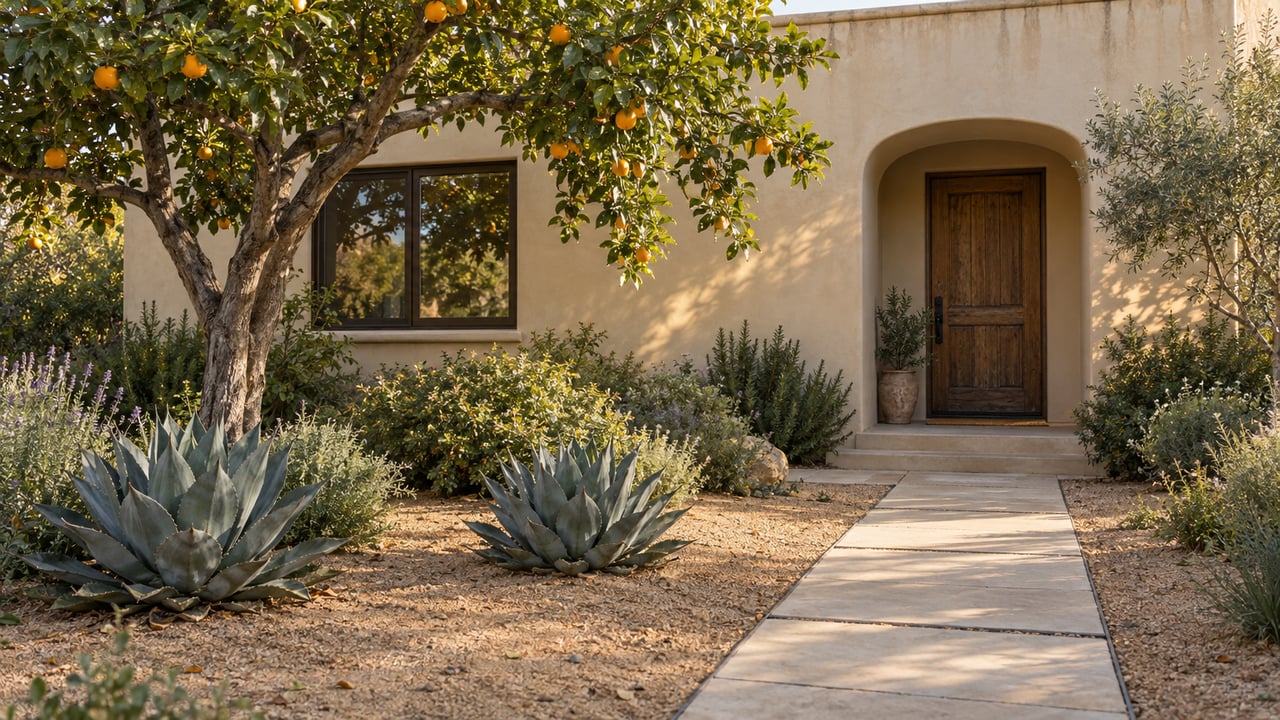
- Confirm plants and rock placement match the plan and do not crowd utilities.
- Termite treatment documentation
- Request proof of pre- or post-construction termite treatment and any warranties.
Interior finishes and structure
- Floors and tile
- Check grout lines for uniformity and voids. Look for lippage where tile edges meet.
- At transitions, make sure tile or flooring is secured and level.
- Walls, ceilings, paint
- Look for consistent coverage, clean lines, and smooth drywall finishing.
- Inspect caulking where trim meets walls and in bathrooms at tubs and showers.
- Trim, cabinets, and counters
- Open and close every drawer and door. Check alignment and soft-close features.
- Inspect countertops for chips, clean seams, and secure mounting.
- Interior doors and closets
- Test latches, thresholds, door swings, and closet shelving for secure installation.
HVAC, plumbing, and appliances
- HVAC performance
- Run the system long enough to confirm strong airflow, normal cycling, and cool supply air.
- Check thermostat function and any zoning controls.
- Inspect condensate drains for proper slope and termination. Confirm pumps work if present.
- Ductwork
- In accessible areas, look for disconnected or loose ducts and proper insulation.
- Water heater and plumbing
- Check for leaks and verify secure mounting. Confirm proper venting if gas-fired.
- Run hot water at multiple fixtures. Look for stable temperature and strong flow.
- Fixtures and appliances
- Run sinks, showers, and tubs. Check pressure and drainage.
- Test the dishwasher, disposal, oven, range hood, and refrigerator if included.
- Water pressure and shut-offs
- Confirm pressure is within expected range. Locate and test key shut-off valves.
- If irrigation ties to potable lines, ask about backflow prevention devices.
Electrical and safety
- Outlets, switches, lighting
- Test a sampling of outlets in each room and outside. Check all GFCI and AFCI protection.
- Confirm interior and exterior lighting works and that bulbs are installed.
- Service panel
- Verify clear circuit labels and correct main breaker rating per your specs.
- Detectors and garage safety
- Confirm smoke and carbon monoxide detectors are installed and working.
- Retest the garage door’s auto-reverse with an obstruction.
- Egress and stairs
- Check handrails, guardrails, and tread consistency. Confirm egress pathways are clear.
Attic, insulation, and ventilation
- Attic access
- Verify insulation levels and even coverage. Look for displaced insulation.
- Check soffit and ridge venting where applicable.
- Air sealing
- Look for visible gaps around penetrations, recessed lights, and flues.
Specialty systems in Phoenix
- Pool or spa
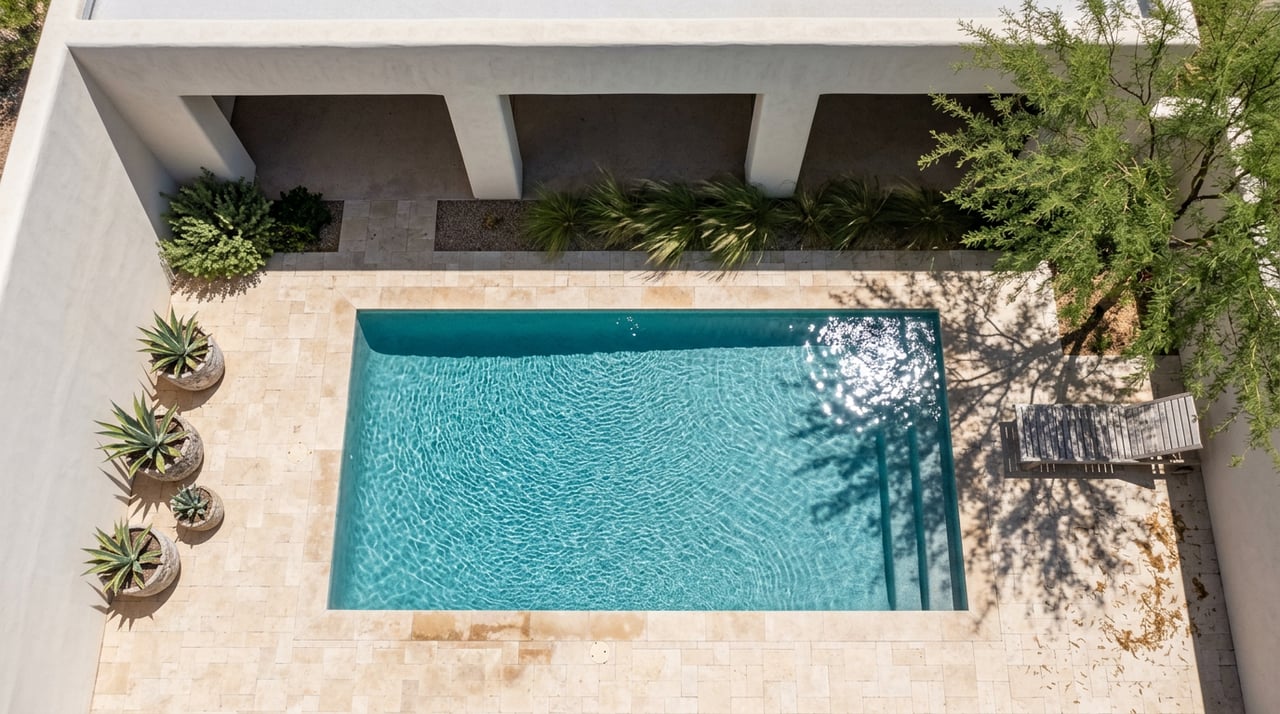
- Run equipment and check for leaks. Confirm safety barriers and gates are installed per local requirements.
- Inspect the pool finish for blemishes.
- Solar PV
- Verify visible equipment condition and labeling. Confirm you have interconnection paperwork from the utility.
- Desert landscaping irrigation
- Ensure heads and drip lines are placed correctly and not overwatering near the foundation.
- Energy features
- Confirm low-e window coatings, insulation, and other energy items match your specifications.
Common punch-list items here
Prioritize safety and function first, then cosmetics. In Phoenix, the most frequent items include:
- Stucco hairline cracks and unsealed exterior joints.
- Flashing gaps at windows, doors, and roof-to-wall transitions.
- Low spots at grading that allow ponding near foundations or patios.
- Tile lippage, grout voids, and cracked tiles at corners or thresholds.
- HVAC concerns like short cycling, weak airflow, or incorrect refrigerant charge.
- Attic insulation displaced around penetrations.
- Failed seals in dual-pane windows, showing fogging between panes.
- Garage door sensor misalignment and auto-reverse issues.
- Irrigation overspray against stucco.
- Electrical panel labeling errors and nonfunctional GFCI or AFCI outlets.
- Door thresholds and exterior transitions that admit water.
- Pool finish touch-ups or equipment leaks where applicable.
How to document issues well
- Capture clear photos and short videos. Take a wide shot for context and a close-up for detail, with date and time.
- Record the exact location and description. Example: “Northeast bedroom, baseboard at closet door, 6-inch gap at corner caulk.”
- Build a master punch list with item numbers, priority level, the requested fix, and a target completion date.
- Share the list in writing with the builder and your agent, and keep copies. If the builder uses a portal, save your own backup.
- Keep all emails and confirmations. Organized records help everyone stay on track.
Wording that gets results
Use calm, factual phrasing and reference plans when helpful. Examples:
- “Primary bath shower mixer leaks at handle after a 1-minute hot-water run.”
- “Tile size and grout color at kitchen backsplash do not match plan sheet A-3.”
- “Irrigation zone 2 oversprays against the south wall, causing moisture on stucco.”
Timelines, warranties, and escalation
Most builders address essential items before closing and finish cosmetic items under warranty after you move in. Confirm your builder’s warranty coverage periods for general, mechanical, and structural items.
If a safety or structural issue is not resolved in a timely way, consider options allowed by your contract, such as an escrow holdback at closing. You can also contact local building officials to verify code compliance or use the Arizona Registrar of Contractors if a licensed trade issue needs attention. Keep receipts and documentation for any temporary fixes you authorize.
When to bring an outside inspector
Consider a third-party inspection when you see possible water intrusion, significant cracking, roof flashing concerns, or HVAC performance issues. A licensed home inspector or specialty contractor can give you a technical report with clear priorities. For new construction, choose professionals familiar with desert-climate systems and Phoenix building practices.
What to bring on walkthrough day
- Purchase contract, specs, and builder checklists
- Phone or camera with storage and charger
- Flashlight and small ladder if allowed
- Sticky notes or painter’s tape to mark items
- Notepad or punch-list app
- Thermometer for supply air at AC vents if you have one
- A patient, thorough mindset and water for the heat
Closing-day game plan
Before signing, confirm in writing what will be fixed before closing and what will be handled under warranty afterward, with dates. Make sure you have manuals, warranty cards, as-built items, and any final inspection confirmations. After move-in, keep notes on anything that emerges during the first weeks so you can submit a timely warranty request.
Get local, contractor-level support
You deserve a smooth new-build close. Our team pairs full-service buyer representation with in-house, licensed contractor expertise, so you spot issues early and negotiate solutions that stick. We can attend walkthroughs, help build a prioritized punch list, coordinate specialists, and communicate in English or Spanish so you feel confident at every step. If you’re building or buying in the West Valley or greater Phoenix, let’s talk about your timeline and plan the walkthrough together. Reach out to Imelda Reyes to get started.
FAQs
What is a final new-build walkthrough in Phoenix?
- It is your pre-closing review to confirm contract items are complete, systems operate, and any defects are listed for the builder to correct per your agreement and warranty.
When should I schedule the walkthrough before closing?
- Many builders schedule it within 48 to 72 hours before closing, but always follow your purchase contract and builder addenda for exact windows and deadlines.
What Phoenix-specific issues should I prioritize?
- Focus on drainage away from the slab, roof and wall flashings, window seals, stucco joints, HVAC cooling performance, and irrigation overspray, especially during monsoon season.
Should I hire a third-party inspector for a new home?
- It can be smart if you suspect water intrusion, roof or grading issues, or HVAC performance problems, or if you want an objective report with code references and priorities.
How do I organize a punch list for the builder?
- Use photos, precise locations, and clear, factual descriptions with priority levels and target completion dates, then share the master list in writing and keep copies.
What if the builder does not finish critical items before closing?
- Check your contract for options such as escrow holdbacks, verify code compliance with local building officials, or contact the Arizona Registrar of Contractors for licensed trade concerns.