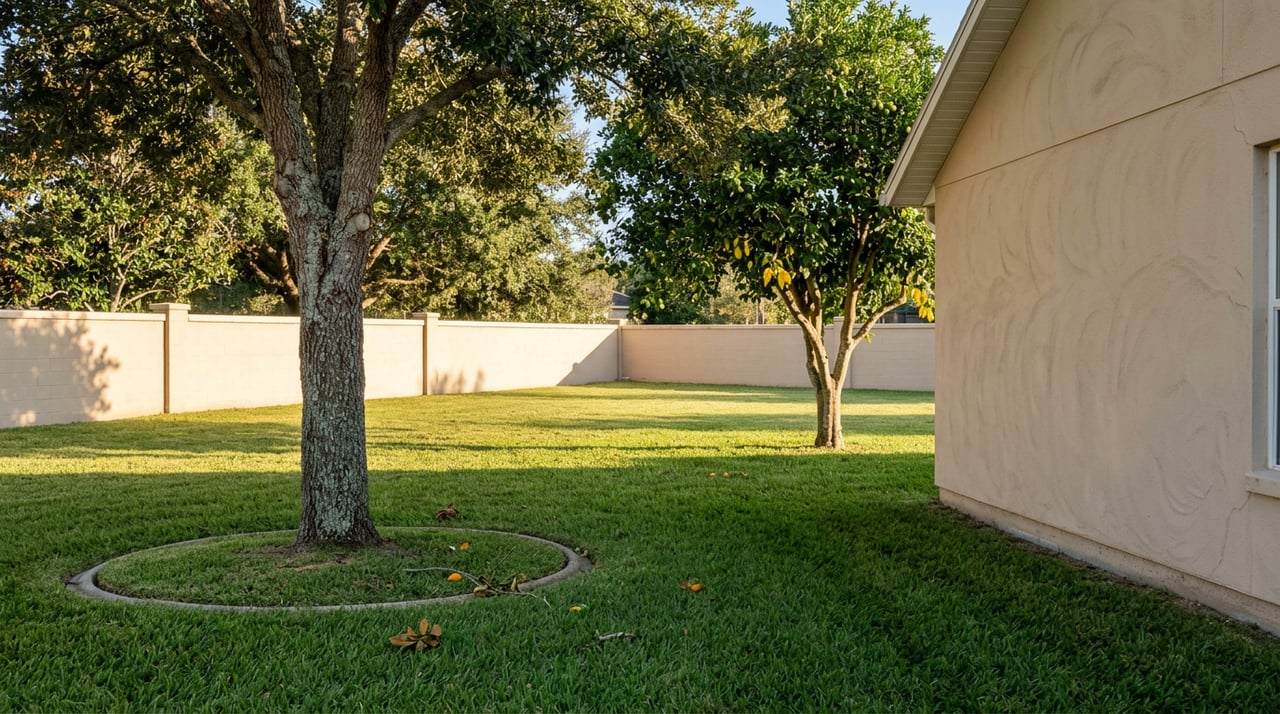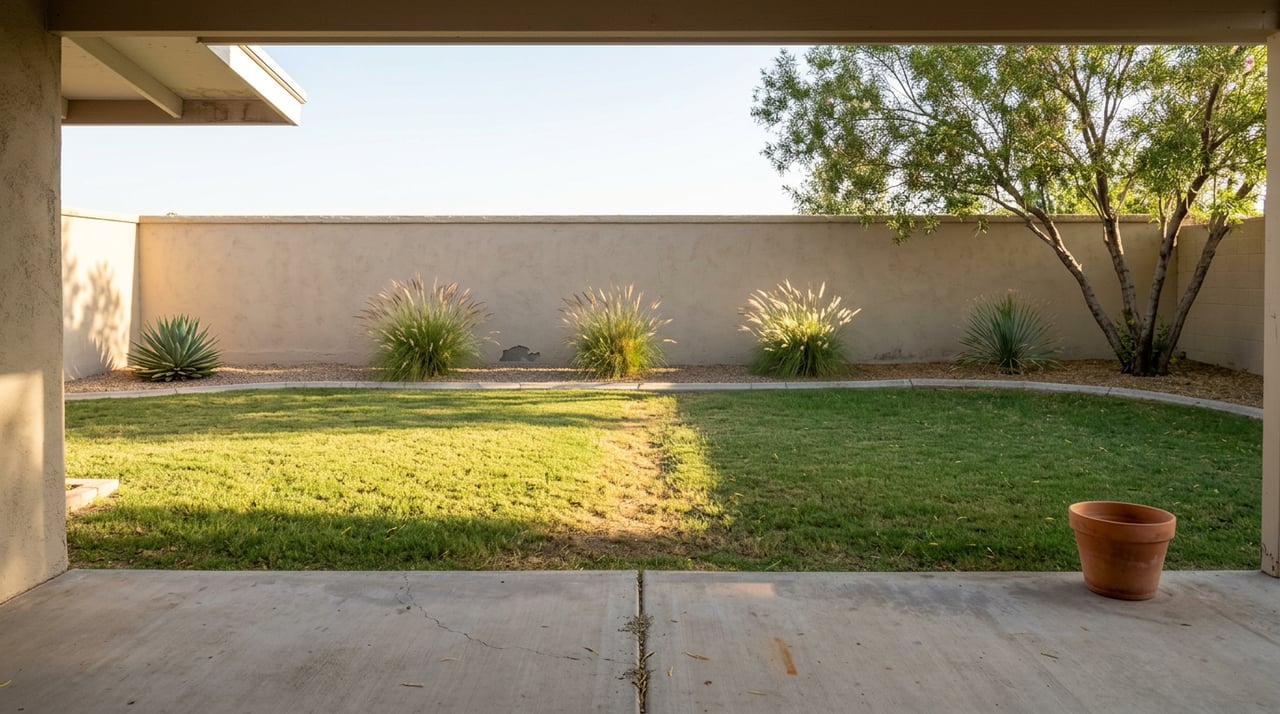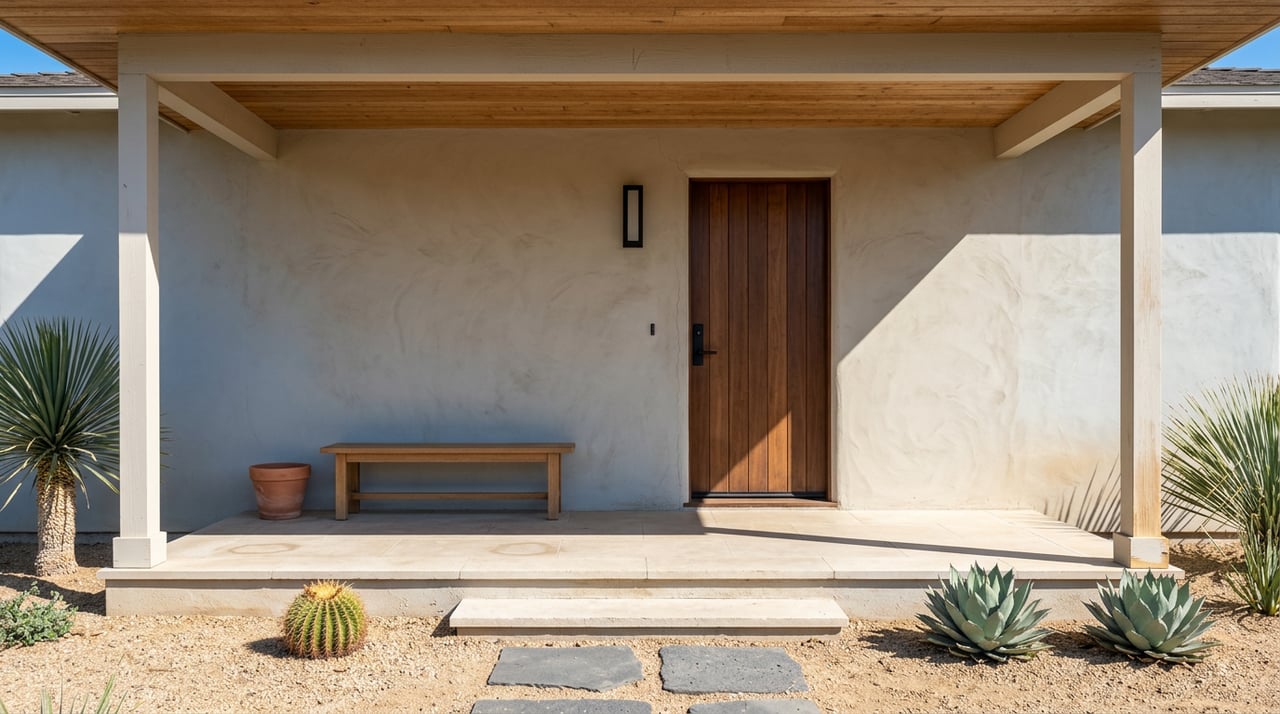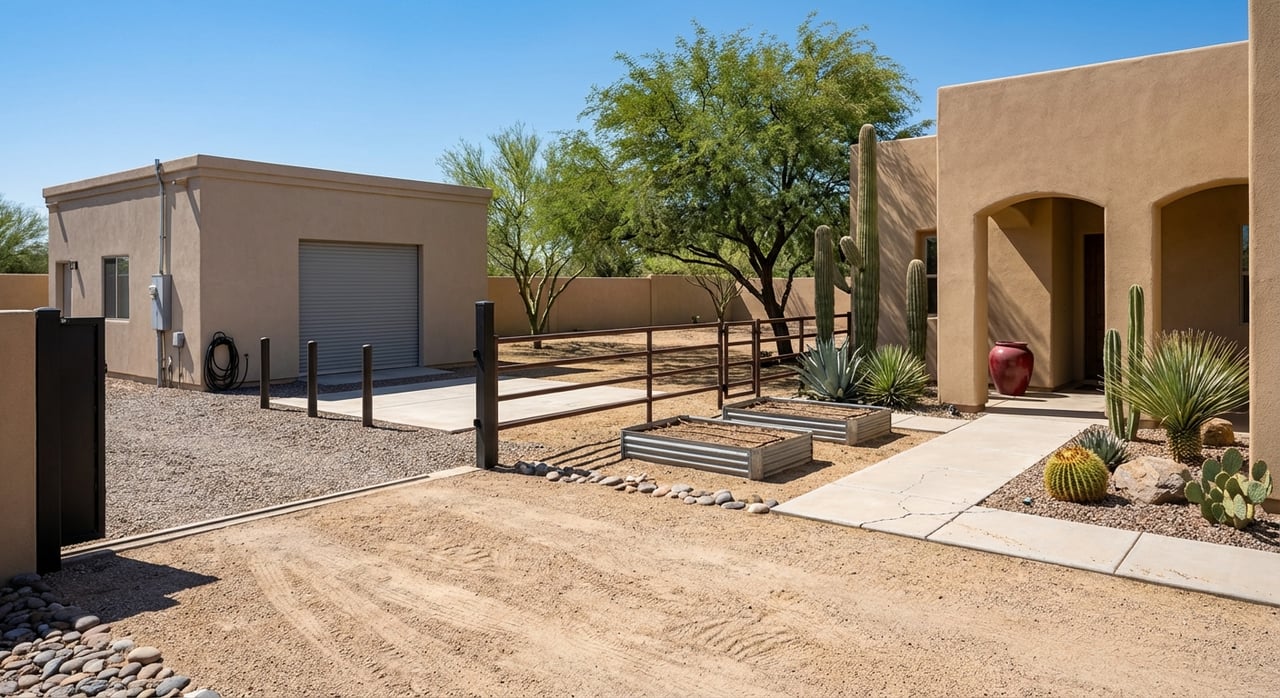
Craving room to breathe, starry nights, and South Mountain views? A Laveen acre gives you space for horses, a workshop, a big garden, and maybe a future casita. At the same time, acreage living brings real-world details you want to understand early, from wells and septic to impact fees and road maintenance. In this guide, you’ll learn how zoning works, how to confirm utilities, what permits you may need, and what daily life on an acre really looks like in Laveen. Let’s dive in.
Why a Laveen acre appeals
Laveen sits between the Salt River and South Mountain on Phoenix’s southwest side. The area blends long-time agricultural roots with newer neighborhoods, so you can find true one-acre parcels and rural lots alongside suburban subdivisions. The City of Phoenix recognizes Laveen as one of its urban villages and is actively planning for growth in the area, which adds amenities while keeping its open-desert feel in many pockets. You can read more about the village context on the City’s Laveen page at phoenix.gov.
Many locals choose acreage for privacy and flexibility. You might keep horses, store an RV, or build a metal shop. Others want room for a large garden or an eventual guest house. Whatever your plan, the smartest first step is to confirm who governs your parcel and which rules apply.
City vs. county: know your jurisdiction
Start with jurisdiction. Parts of Laveen lie inside Phoenix city limits and others remain in unincorporated Maricopa County. That split affects zoning rules, permit steps, and impact fees. The City’s village overview is a helpful starting point to understand boundaries and services in Laveen at phoenix.gov.
If you’re browsing listings, note the parcel number and verify whether the property is City of Phoenix or county-governed. This one check shapes nearly every step that follows, from how you build to whether you connect to city utilities.
Zoning basics: RU-43 and rural uses
In unincorporated Maricopa County, you’ll often see Rural-43 (RU-43) zoning noted in listing details. RU-43 is the county’s familiar one-acre zoning category and typically allows a single-family home along with rural accessory uses such as barns, workshops, and hobby agriculture. You can review permitted uses and development standards in the Maricopa County Zoning Ordinance.
Even when zoning allows a use, setbacks, height limits, and nuisance rules still apply. Activities like boarding horses or offering riding lessons may require special approvals or a conditional use permit. If the parcel has CC&Rs or an HOA, those rules can be more restrictive than zoning, so read recorded covenants before you commit.
Utilities: water options you must confirm
Water is a make-or-break detail on acreage. Inside Phoenix or in newer subdivisions, a parcel may have access to city water and sewer. More rural parcels often rely on a private well, a shared well agreement, or even hauled water. Before you budget or design, verify whether a water main serves the lot or whether you’ll need a private well. The city’s village page provides helpful service context at phoenix.gov.
If you do need a well, Arizona requires filings with the Arizona Department of Water Resources. Drilling must be completed by a licensed driller, and you’ll submit a notice of intent and completion reports to ADWR. You can review the state’s process and forms on the ADWR wells and permitting page.
Sewer and septic: what to expect
If public sewer is not available, you’ll need an approved onsite wastewater system. Maricopa County Environmental Services handles septic plan review, soil and site evaluations, and permits. It’s smart to search septic records early and budget time for soil testing and design. Find county forms and guidance on the Onsite Wastewater page.
For parcels that can connect to Phoenix sewer, the City requires a verification letter during plan review and assesses impact fees based on service areas. You can see the sewage verification guidance through the county’s Verification of a Sewage Disposal System page, and review how city fees are structured in the City of Phoenix impact fee schedules.
Power, gas, internet, and services
Much of Laveen is served by Salt River Project for electricity. SRP is planning transmission improvements near South Mountain that support current and future development, a signal that power infrastructure is active in the area. Learn about the South Mountain effort on SRP’s project overview.
Southwest Gas is the primary natural gas provider in metro Phoenix, but availability to a specific acre depends on nearby mains. Internet varies by micro-location. Some rural parcels have limited wired options and rely on fixed wireless or satellite. Also confirm whether trash is handled by the City or a private hauler, since many rural lots manage private service.
Permits and impact fees: plan ahead
Permitting steps depend first on jurisdiction. In general, plan for separate reviews for site, drainage, building, electrical, and mechanical work. If you connect to city utilities or build inside Phoenix limits, you will encounter municipal impact fees. Phoenix maintains fee schedules by service area, and Laveen appears as two areas with different figures for wastewater and storm drainage. Review the structure in the City of Phoenix impact fee code and confirm which Laveen service area applies to your parcel before you set a budget.
Here is a simple sequence to keep you on track:
- Confirm jurisdiction and check recorded CC&Rs. Start with the City’s Laveen page at phoenix.gov for context.
- Verify utility availability and request letters. Phoenix requires a sewage verification letter during plan review, outlined by the county’s sewage verification guidance.
- Order soil and percolation tests if septic is needed, and plan for septic design and permits through Maricopa County Environmental Services.
- For wells, file the ADWR notice and use a licensed driller per ADWR requirements.
- Submit building plans and pay any city impact fees tied to your service area per the Phoenix impact fee schedules.
Daily life: horses, shops, gardens, casitas
A Laveen acre gives you room to live the lifestyle you want. If you keep horses, plan for proper fencing, shelter, reliable water, and manure management. Rural zoning often permits horses, but setbacks and nuisance rules apply, and CC&Rs may add limits. RU-43 standards are a good reference point in the county ordinance.
Workshops and metal buildings are common on acre lots. Most require permits and must meet height and setback rules. Storing an RV is typical in rural zones, but long-term residential use of an RV has restrictions. Large gardens and small orchards thrive here, but your irrigation source—well, canal, or reclaimed—impacts cost and water quality.
Many buyers also ask about building a casita or ADU. Detached guest units may be allowed, but they can change your water and wastewater needs and affect impact fees. Confirm ADU rules, utility meters, and septic capacity with the governing authority early in your planning.
Maintenance: the desert reality check
Acreage living is hands-on. Expect regular fence checks and repairs, weed and dust control, and occasional grading to manage erosion. If you run a well, you’ll maintain a pump, pressure tank, and any treatment system. Septic systems need routine pumping and care.
Access matters too. Some lots sit on private or unpaved roads, so clarify who maintains the road and how monsoon season affects it. Wildlife is part of the setting. Coyotes, javelina, and rodents are common near open land, so secure animal feed, compost, and trash.
Heat, monsoon, and drainage
Laveen sits in the Sonoran Desert, with intense summer heat and a late-summer monsoon season. While large wildfires are less common in suburban areas, brush and open-desert edges can pose seasonal risk. Design for defensible space and fire-safe landscaping if you border open land. Some parcels sit near washes or in low areas, so check FEMA flood maps and plan your site drainage carefully. For context on Laveen’s geography and climate, see the area overview on Wikipedia.
Market outlook and long-term potential
Connectivity has improved with nearby freeway infrastructure, which has brought more attention to Laveen. The City of Phoenix and utility providers are planning for growth in portions of the village, which can mean more amenities and stronger long-term demand in some areas. At the same time, growth can reduce the rural feel over decades.
Resale tends to be strongest for parcels with clear utility access, permitted septic or sewer connections, and reliable road access. Buyers seeking horses, privacy, or space for a shop are a focused audience, and they respond to well-documented due diligence and straightforward site logistics.
Buyer checklist for Laveen acreage
Use this quick checklist as you evaluate properties:
- Confirm jurisdiction by parcel number and tax records. The City’s Laveen page at phoenix.gov is a helpful orientation.
- Verify utilities at the lot: city water and sewer availability, SRP or APS power service, Southwest Gas, and broadband options by address. SRP’s South Mountain project overview signals active electric infrastructure planning.
- Search county septic records and plan for soil testing if sewer is unavailable. Start with Maricopa County’s onsite wastewater resources.
- If a well is needed, check ADWR well records and file the proper notices and reports with a licensed driller using ADWR’s guidance.
- Read recorded CC&Rs and any HOA rules for animals, outbuildings, RVs, and ADUs.
- Order a current survey, review easements, and confirm road maintenance obligations.
- Request a site utilities map and get written estimates for meter sets or line extensions.
- Confirm city impact fees and permit timelines. Phoenix lists Laveen East and West service areas in its impact fee schedules.
Ready to explore your options?
If you want the space, views, and flexibility that come with a Laveen acre, we can help you vet parcels, confirm utilities, and plan smart improvements. Our team pairs negotiation-first representation with in-house contractor expertise, so you get practical guidance on wells, septic, shops, and future ADUs before you write an offer. When you’re ready, connect with Imelda Reyes to walk available acreage, review due diligence, and map out your next steps. Hablamos español.
FAQs
What does RU-43 zoning allow on a Laveen acre?
- RU-43 in unincorporated Maricopa County generally allows a single-family home and many rural accessories like barns and workshops. Setbacks, heights, and specific uses still require review, and CC&Rs can be more restrictive.
How do wells and septic systems work for Laveen acreage?
- If city water or sewer is not available, you’ll follow ADWR steps for a domestic well and obtain county permits for onsite wastewater. Plan for soil tests, design, and inspections before building permits.
Can I keep horses on a one-acre property in Laveen?
- Many rural-zoned parcels permit horses, subject to setbacks, shelter, water, and manure management. Always confirm zoning and any CC&Rs before purchase.
Who provides electricity to Laveen acre lots?
- Much of the area is served by SRP, which is planning transmission improvements near South Mountain. Always confirm the provider by parcel, since service can vary.
Will I pay impact fees if I build in Laveen?
- If you build inside Phoenix or connect to city utilities, Phoenix impact fees typically apply and vary by Laveen service area. Verify the exact figures for your parcel during pre-application.
What should I verify before making an offer on acreage?
- Confirm jurisdiction, water and sewer options, well or septic records, electric and gas availability, CC&Rs, easements, road maintenance, and any city impact fees tied to your service area.