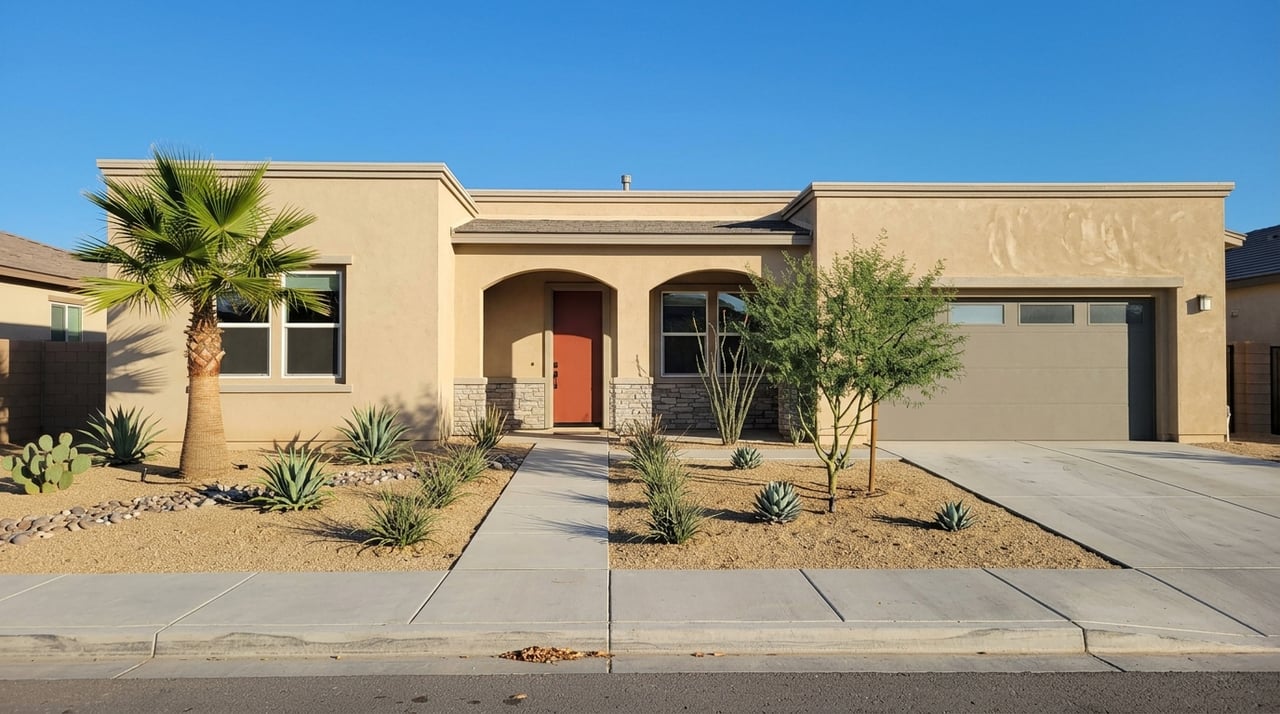
If you want more breathing room without feeling cut off from Phoenix, Laveen deserves a closer look. This part of the city has a different pace, with a more open feel, easy access to South Mountain, and a day-to-day routine that leans practical instead of hectic. If you are wondering what life here actually feels like, this guide will walk you through the lifestyle, housing mix, commute patterns, and tradeoffs so you can decide whether Laveen fits your goals. Let’s dive in.
Laveen has an edge-of-city feel
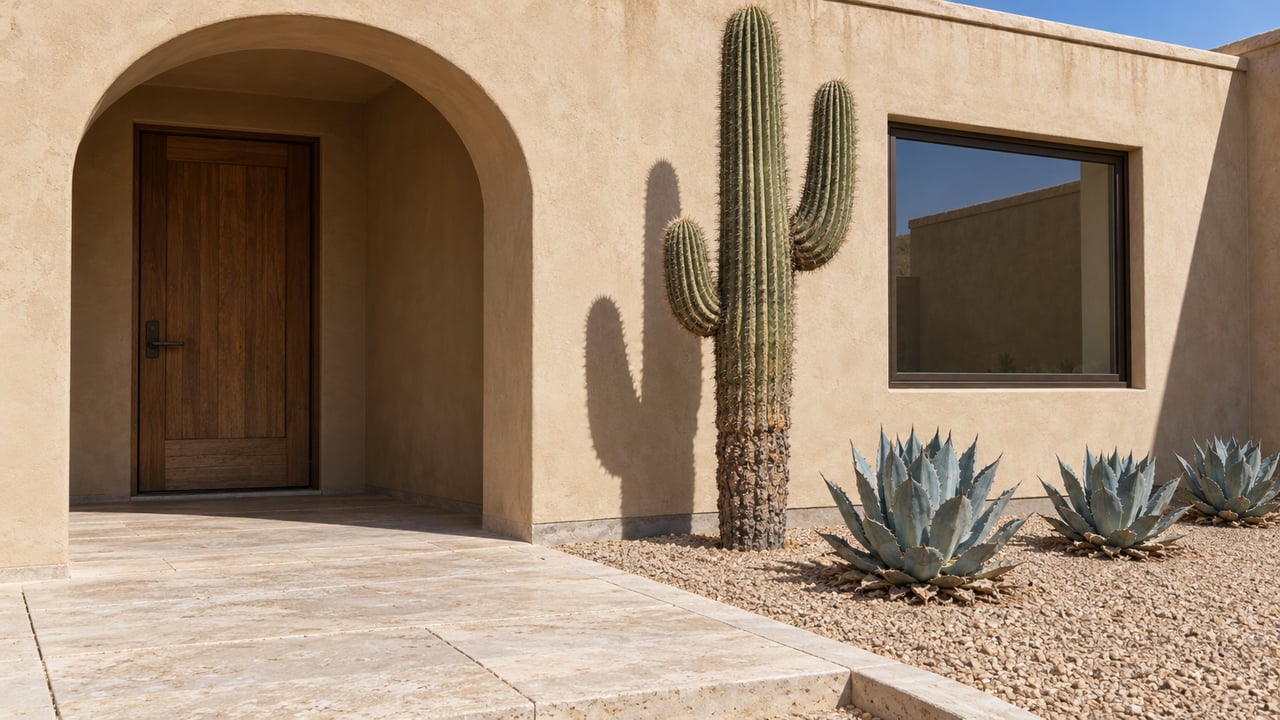
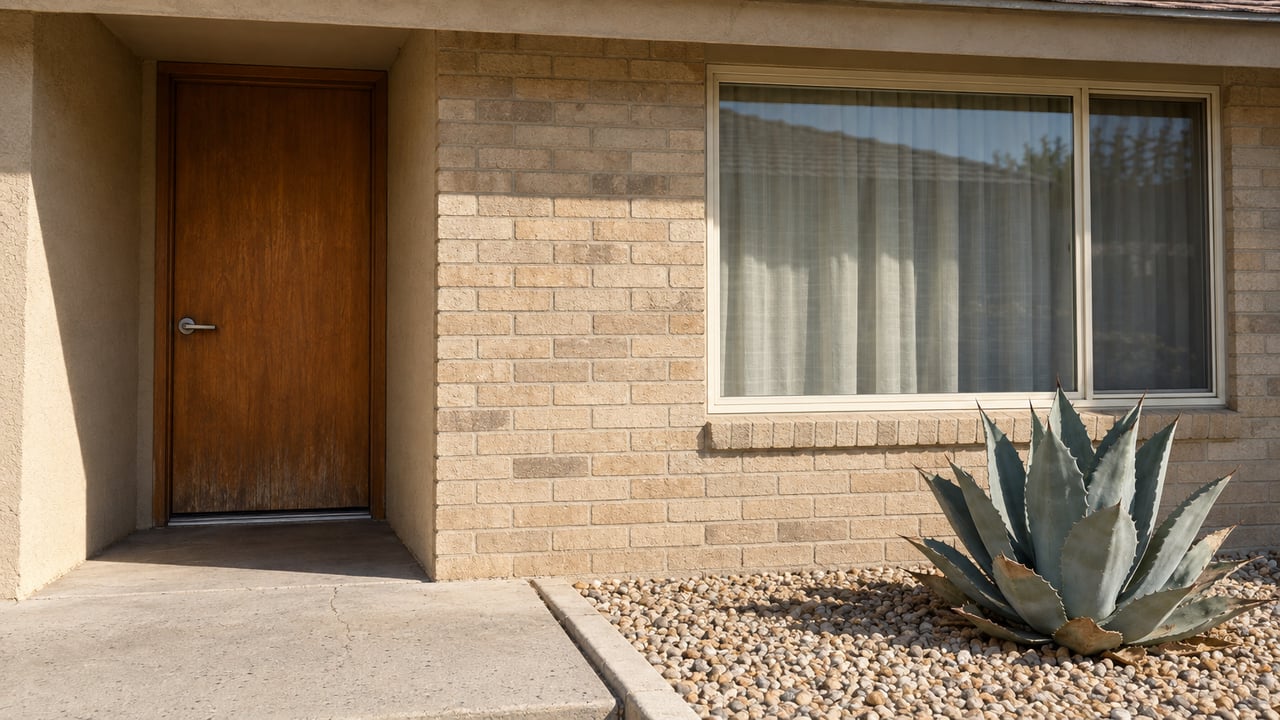
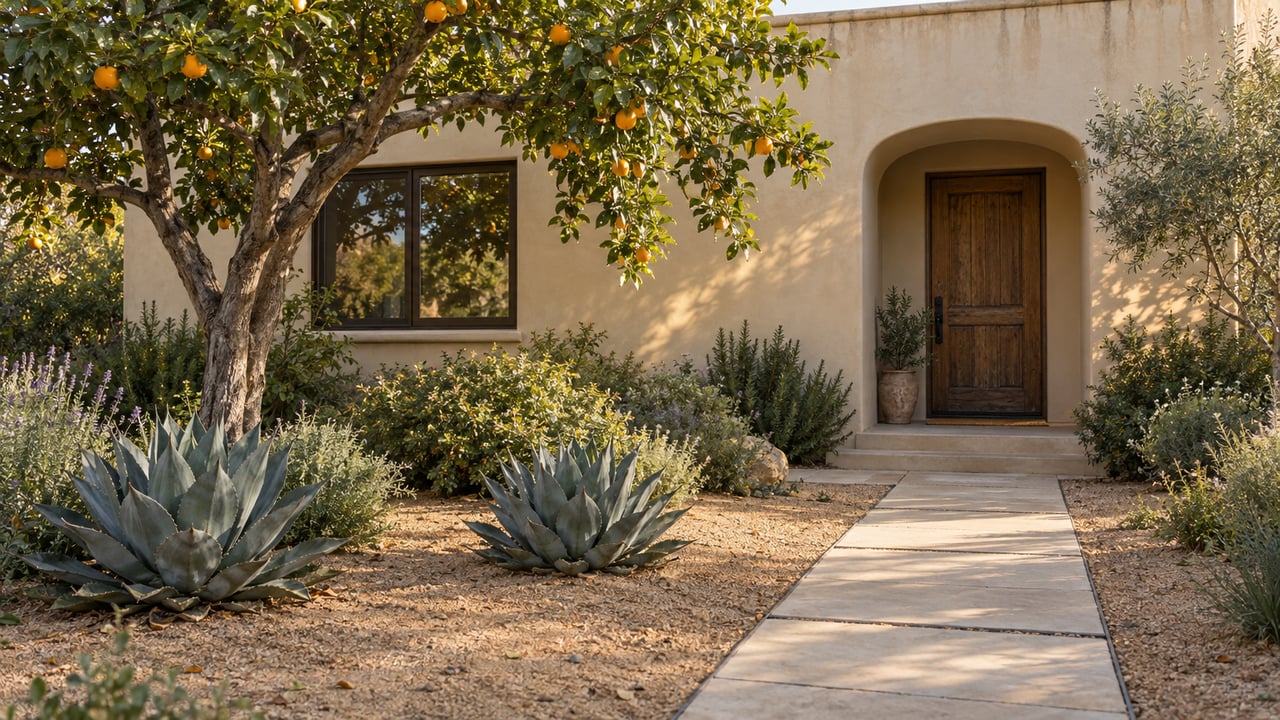
Laveen is part of Phoenix, but it does not feel like a dense urban neighborhood. The City of Phoenix describes it as a village known for natural beauty and agricultural heritage, with a rural, easy-living character that has stayed visible even as the area has grown.
That matters if you are comparing Laveen to more central parts of Phoenix. In Laveen, the appeal is often about space, quieter residential streets, and a stronger connection to the desert landscape. It feels more like a suburban edge community with semi-rural roots than a fully built-out city district.
Older city planning documents support that picture. They describe Laveen as an area shaped by agriculture, large-lot residential patterns, horse-property influences, and ties to both South Mountain and the Salt River corridor.
Outdoor access is a major lifestyle perk
One of the biggest reasons people are drawn to Laveen is how close it sits to South Mountain Park/Preserve. According to the City of Phoenix, the preserve covers more than 16,000 acres and includes more than 100 miles of trails for hiking, horseback riding, and mountain biking.
If you like starting your day outside, this is a real advantage. Trails like Holbert Trail and routes leading toward Dobbins Lookout give you options for exercise, views, and weekend routines that do not require a long drive.
For buyers who enjoy equestrian access, Phoenix also notes that many trails in South Mountain can be used for horseback riding. That lines up well with Laveen’s long-standing connection to horse properties and larger lots in some areas.
There is one practical caveat. During extreme heat periods, Phoenix’s Trail Heat Safety Program can limit access to all South Mountain trails, so the outdoor lifestyle is usually strongest in cooler months and during early morning hours.
Daily life in Laveen is car-oriented
Laveen is convenient, but it is not set up like a walk-everywhere district. Most day-to-day errands happen along a few main corridors rather than in a compact town center.
Today, one of the clearest retail hubs is around 51st Avenue and Baseline Road. That area includes a Fry’s grocery store, a Wells Fargo branch, and nearby dining like Chipotle, which makes it one of the most practical spots for routine shopping and quick stops.
Another growth area is taking shape near 59th Avenue and Dobbins Road. Phoenix planning staff reviewed the Laveen Towne Center PUD in October 2025 for a 95.11-acre mixed-use project that would bring in retail, multifamily residential, single-family attached homes, and assisted living.
For you as a buyer, that signals something important. Laveen is still evolving, which means some services are already established while other parts of the village are still catching up through new development.
Commute access is better than many expect
A big reason Laveen works for many buyers is that it offers more room while still staying connected to the larger Phoenix area. The Arizona Department of Transportation says the Loop 202 South Mountain Freeway adds 22 miles of freeway and completes the southwest quadrant of the Phoenix freeway system.
That regional connection helps make Laveen feel less isolated than its edge-of-city setting might suggest. The City of Phoenix also describes the area as close to downtown Phoenix, and an earlier transportation study placed Laveen within about a 10- to 20-minute commute to I-10 and downtown Phoenix.
That said, the daily rhythm still feels suburban. Even with freeway access, many local trips depend on major arterials, so you should expect to drive for groceries, dining, and most errands.
Housing in Laveen offers more variety than people expect
Laveen’s housing story starts with its agricultural history. City planning documents describe low-density residential areas, large-lot homes, horse-property influences, and development patterns that often fall in lower-density categories such as 0 to 1, 0 to 2, and 2 to 5 dwelling units per acre.
That legacy still shows up in parts of the village, especially where homes feel more spread out. In some edge areas, you can still find a more open lot pattern that feels different from tighter subdivisions elsewhere in Phoenix.
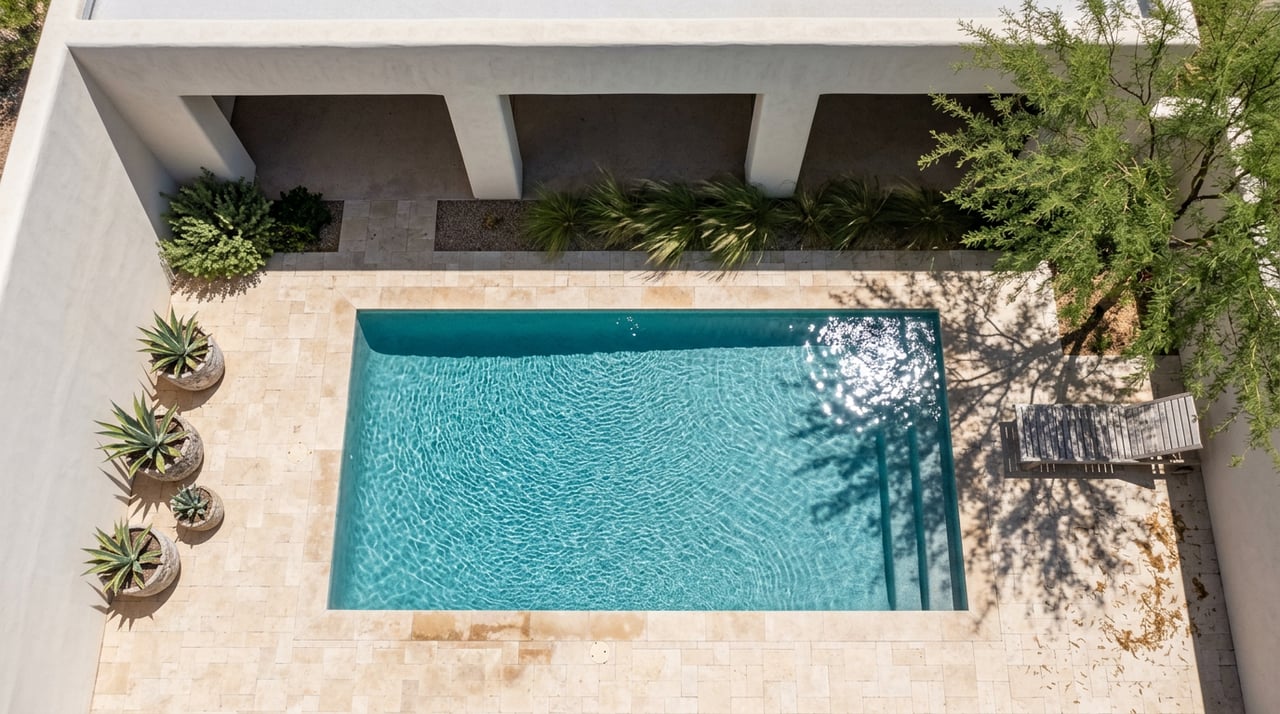
At the same time, newer construction has expanded the mix. Today, Laveen includes compact newer homes, larger single-story plans, multigenerational layouts, and communities with added amenities.
Newer homes range from compact to spacious
Several current builder communities show the range of what buyers can find in Laveen.
K. Hovnanian’s Laveen Springs includes single-story options like:
- Finlay at 1,604 square feet with 4 bedrooms
- Godavari at 1,682 square feet with 4 bedrooms
- Orinoco at 2,082 square feet with 5 bedrooms
These homes highlight features many buyers want today, including open kitchens, covered patios, and rooms that can flex as guest space or a home office.
Lennar’s Dobbins Village offers larger single-level designs in two collections, ranging from about 2,163 to 3,024 square feet and 2,274 to 2,649 square feet. The community also includes options like Next Gen multigenerational layouts and RV-garage plans, plus amenities such as playgrounds, a basketball court, ramadas, barbecue areas, and picnic tables.
If you are looking for something a bit more compact, K. Hovnanian’s Laveen Place includes the two-story Vela plan at 1,508 square feet with 3 bedrooms and 2.5 baths.
Pulte’s McClellan Ranch adds more variety with floor plans such as:
- Farmington at 1,880 square feet
- Firwood at 2,592+ square feet
Taken together, these communities show that Laveen is not one-note. You can find homes that suit first-time buyers, move-up households, multigenerational living, and buyers who want more elbow room.
The tradeoff is space versus urban convenience
For many buyers, the biggest appeal of Laveen is simple. You often get more space, a stronger sense of openness, and easier access to mountain recreation than you would in central Phoenix.
The tradeoff is that daily life tends to be more car-dependent. Shopping is organized around corridors, commercial growth is still expanding, and the area does not offer the same dense mix of restaurants, retail, and walkability that some urban neighborhoods provide.
Summer heat is also part of the reality, especially if outdoor access is one of the reasons you are considering the area. South Mountain remains a major benefit, but your routine may need to shift to early mornings and cooler seasons.
Who Laveen tends to fit best
Laveen can be a strong match if you want a quieter residential setting with room to spread out while staying within Phoenix. It also makes sense if outdoor access matters to you and you like the idea of living near one of the city’s largest preserves.
You may also appreciate Laveen if you are looking for newer construction with practical floor plans. The range of available home types suggests the area works for buyers who want anything from a smaller two-story home to a larger single-story or multigenerational layout.
If you prefer dense walkability and a more urban daily routine, Laveen may feel less convenient. But if your priorities are space, desert views, mountain access, and a calmer rhythm, it offers a lifestyle that is distinct within Phoenix.
Why Laveen stands out
Laveen stands out because it gives you a version of Phoenix that still feels open. You are not leaving the metro area behind, but you are stepping into a part of the city where agricultural roots, lower-density patterns, and outdoor access still shape everyday life.
That mix is hard to find in a major metro area. You get regional access through the Loop 202, practical shopping nodes for daily needs, and housing choices that span from compact new homes to larger properties with a more spacious feel.
If you are trying to decide whether Laveen is the right move, the key question is not just where you work. It is how you want your life to feel once you get home.
If you want help sorting through Laveen homes, newer builds, or properties with more space and flexibility, Imelda Reyes can help you compare your options with local insight and hands-on guidance.
FAQs
What is daily life like in Laveen, Phoenix?
- Daily life in Laveen feels more suburban and open than central Phoenix, with errands centered around main corridors, easy South Mountain access, and a quieter residential pace.
Is Laveen close to South Mountain Park?
- Yes. Laveen is closely tied to South Mountain Park/Preserve, which the City of Phoenix says has more than 16,000 acres and over 100 miles of trails.
Is Laveen a good place for buyers who want more space?
- Laveen may appeal to buyers who want larger lots, lower-density surroundings in some areas, or newer homes with more square footage than they may find in more central parts of Phoenix.
What kinds of homes are available in Laveen?
- Laveen offers a mix of compact newer homes, larger single-story homes, multigenerational layouts, and some areas that still reflect a semi-rural, large-lot character.
Is Laveen easy for commuting around Phoenix?
- Laveen benefits from the Loop 202 South Mountain Freeway, which improves regional access, but most daily trips still rely on driving along major roads and arterials.
Is Laveen walkable for shopping and dining?
- Laveen is more car-oriented than walkable, with most shopping and errands focused around corridors such as 51st Avenue and Baseline Road rather than a dense town center.