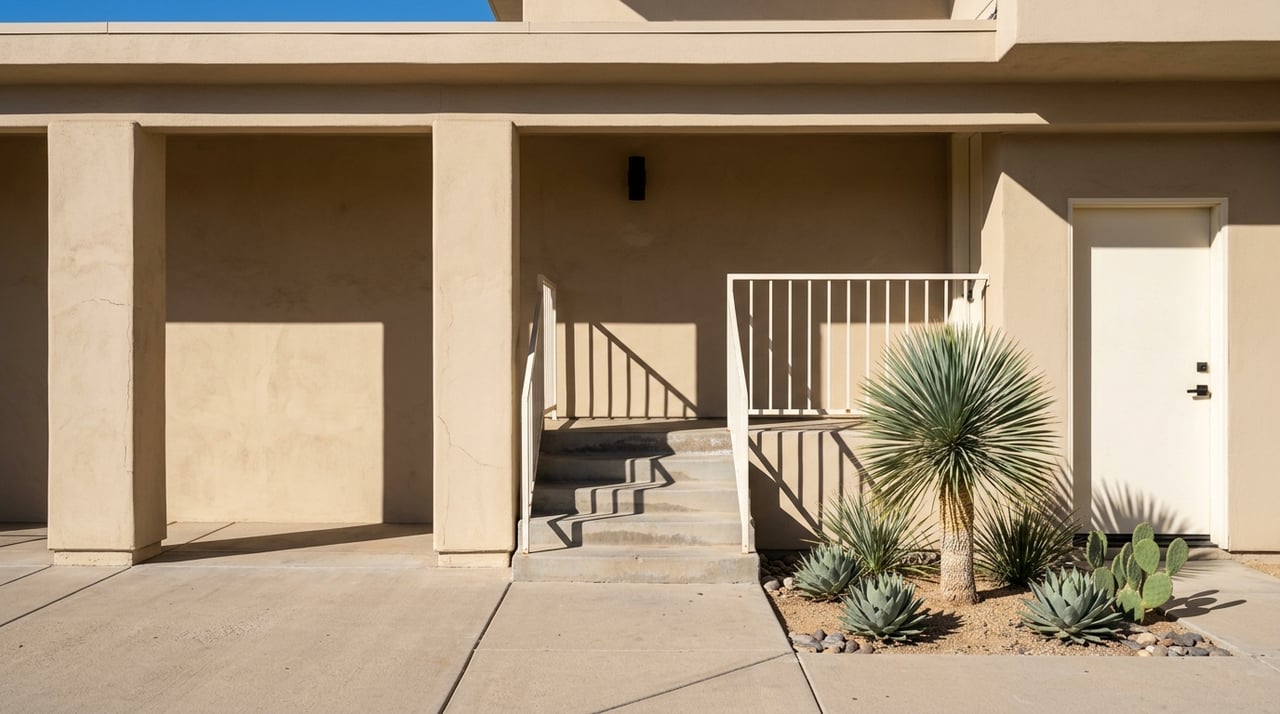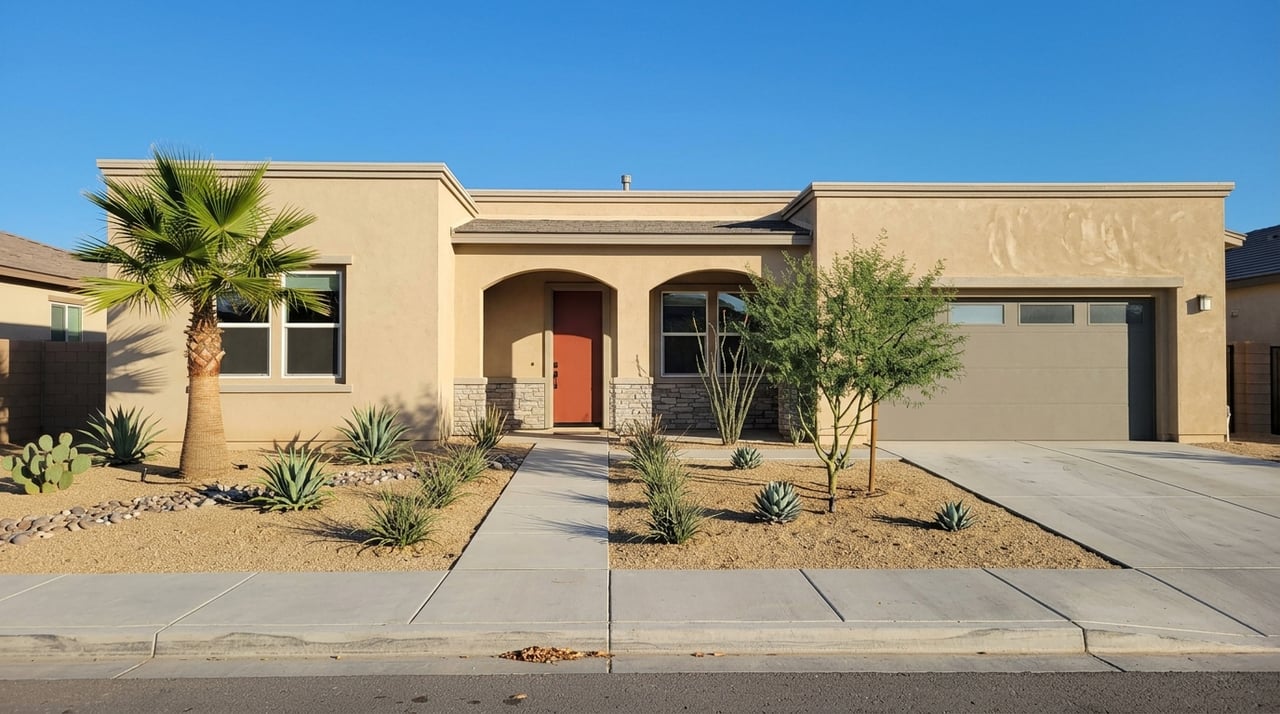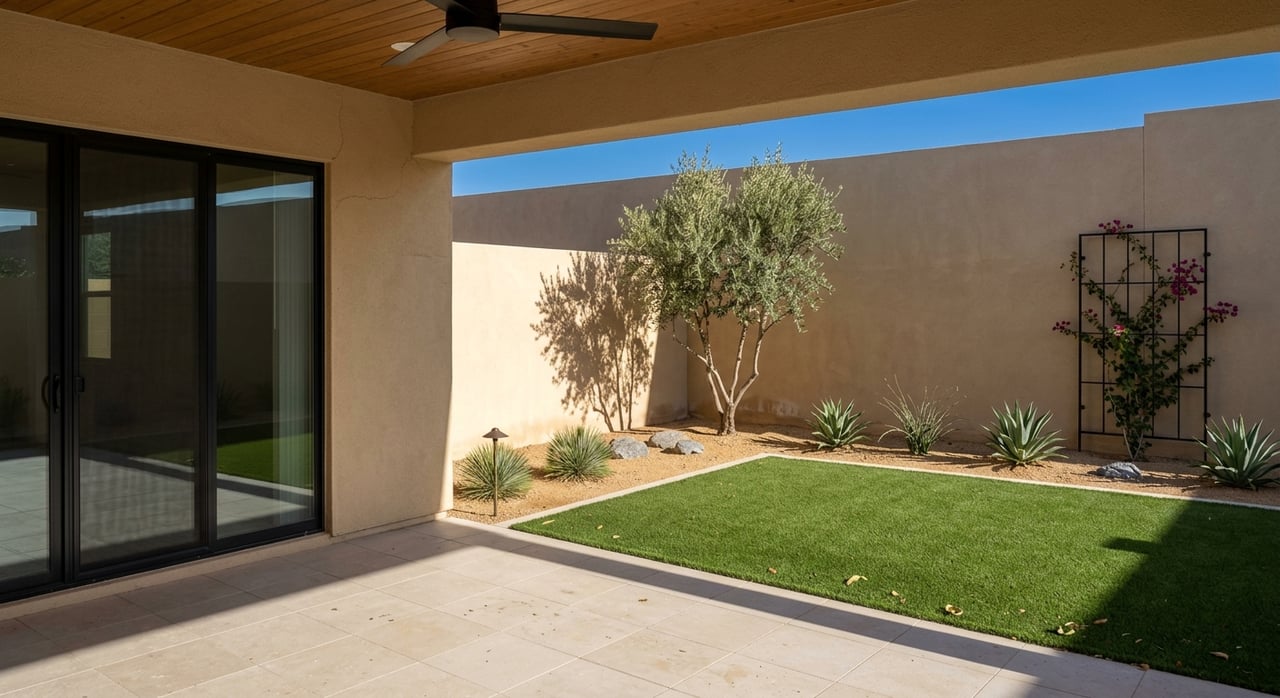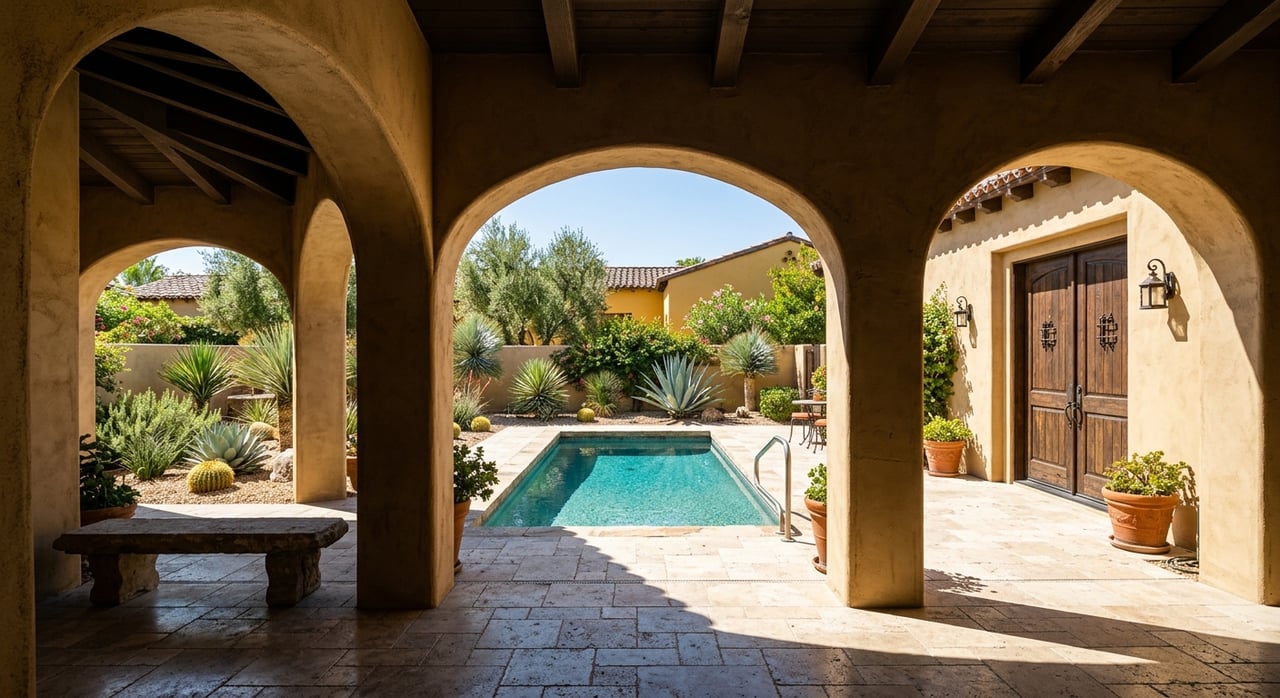
Looking at luxury homes in Paradise Valley can feel exciting and a little overwhelming at the same time. One property may offer a sprawling custom estate, while another gives you a remodeled ranch on a large lot with room to grow later. If you want to buy wisely, you need to look past finishes and focus on how home style, lot size, utility setup, and future flexibility all work together. Let’s dive in.
Why Paradise Valley feels different
Paradise Valley is a 15.4-square-mile town with an estimated 2025 population of 12,774, and it is predominantly zoned for single-family housing. The town’s long-term vision emphasizes a primarily one-acre residential pattern, natural open space, aesthetics, and a limited-government approach. That local framework shapes how buyers experience privacy, scale, and property use.
The ownership pattern also stands out. Census QuickFacts for the town shows a 95% owner-occupied rate, a median owner-occupied home value above $2,000,000, and median monthly owner costs above $4,000 with a mortgage. In practical terms, you are shopping in a market where land, privacy, and long-term ownership matter just as much as the home itself.
Common Paradise Valley luxury styles
Paradise Valley’s housing story helps explain why the market offers such a wide mix of luxury properties. Postwar settlement brought modest ranch-style homes on large parcels, and over time many older homes were remodeled, expanded, or replaced by much larger residences. That is why buyers often compare three broad property paths: custom estates, contemporary rebuilds, and remodeled ranches.
Custom estates
Custom estates are often the largest and most site-specific homes in Paradise Valley. These properties are commonly associated with low-density parcels, including R-43 zoning, which requires at least 43,560 square feet and is intended to preserve open space and natural features. That kind of lot can create a very different ownership experience than a smaller parcel with similar interior square footage.
The appeal is easy to understand. You may get more privacy, more space for separate living wings, guest areas, outdoor entertaining, and features like pools or expansive garages. The zoning code also allows accessory uses such as a private garage, guesthouse, residential staff quarters, pools, and home occupations, which helps explain why some estate properties function more like private compounds.
The tradeoff is upkeep and planning. Larger grounds usually mean more irrigation, more landscaping attention, and more exterior surfaces to maintain. If you want to add structures or make significant changes later, the project scope can become part of the buying decision from day one.
Contemporary rebuilds
Contemporary rebuilds are a major part of the Paradise Valley luxury conversation. In many cases, an older ranch-era homesite becomes the foundation for a newer house with open living spaces, larger glazing, cleaner lines, and updated systems. The town’s general plan notes that many older ranch homes were demolished and replaced with much larger homes, so this pattern is well established locally.
For you as a buyer, the key question is not just whether the home looks current. You also need to know whether the lot supports the home’s footprint, setbacks, height considerations, and any future changes you may want to make. In Paradise Valley, parcel-specific zoning standards can have a real effect on how flexible a property is.
Major projects may involve height certifications, floor-area-ratio paperwork, native-plant preservation plans, and sewer or septic verification. The Planning Commission also handles matters such as lot splits, subdivision plats, zoning amendments, and general plan amendments. That does not mean a rebuild is a bad fit. It means a polished final product should still be evaluated through the lens of site constraints and long-term usability.
Remodeled ranches
Remodeled ranches remain an important part of the local housing mix. These homes are usually older single-level properties that keep the original footprint, or a version of it, while updating kitchens, baths, finishes, and major mechanical components. Because Paradise Valley grew in large part through postwar ranch-style development, these homes still matter in today’s luxury market.
For many buyers, remodeled ranches offer a simpler lifestyle. A single-level layout, straightforward indoor-outdoor flow, and less dramatic scale can be appealing if you want comfort without the footprint of a large estate. They can also provide a lower-disruption entry point into Paradise Valley while preserving future remodeling options.
The caution is that surface updates do not always tell the whole story. Even if the home looks fresh inside, older roofs, plumbing, electrical systems, HVAC equipment, and insulation may still need attention. In a market like Paradise Valley, that is especially important because heat, sun exposure, and outdoor systems all play a bigger role in ownership costs.
Buyer considerations that matter most
Choosing the right style is only half the job. In Paradise Valley, the details behind the property often shape day-to-day satisfaction more than the headline features do. Here are the factors that deserve your closest attention.
Lot size and zoning matter
Paradise Valley is not a one-size-fits-all lot market. The zoning ordinance includes multiple residential districts, ranging from R-175 at 175,000 square feet to R-43, R-35, R-18, and R-10 districts with smaller minimum lot standards. That means two homes that appear similar online may deliver very different levels of privacy, yard usability, and long-term potential.
Before you compare values, confirm the zoning district and actual lot size. Then look at how much of the parcel is truly usable for outdoor living, additions, guest space, or future improvements. In many cases, the lot is one of the most important parts of what you are buying.
Privacy depends on more than photos
Privacy is one of the biggest reasons buyers consider Paradise Valley, but listing photos only tell part of the story. The actual lot geometry, setbacks, fencing rules, and adjacent lot elevations can change how secluded a home feels. A large parcel may still feel exposed if the site lines or neighboring elevations work against it.
This is one reason buyers should walk the property carefully and think beyond the interior. If privacy is a top priority, evaluate where the outdoor living areas sit, how the lot is shaped, and how neighboring homes relate to the site. The difference between good privacy and great privacy is often found outside the walls.
Climate changes the ownership budget
Paradise Valley reports 294 sunny days per year, 7.3 inches of rainfall, and an average July high of 104 degrees Fahrenheit. Those conditions are part of the appeal for many buyers, but they also affect what ownership feels like over time. HVAC systems, roofing, irrigation, shade planning, pools, and exterior finishes all work harder here than they would in a milder climate.
That is why landscaping should never be treated as an afterthought. The town’s native-plant preservation rules show that landscape planning is considered part of the local environment, not just decoration. When you budget for ownership, include ongoing attention to shade, irrigation, hardscape, and pool systems alongside the house itself.
Sewer versus septic is a real decision point
Out-of-area buyers are often surprised by how important utility status can be in Paradise Valley. The town says there are two sewer providers, but many properties use septic systems instead of sewer. That can influence renovation plans, long-term maintenance, drainage decisions, and even where future improvements can go.
If you are comparing homes, verify the utility setup early. A beautiful property can still come with planning limitations or maintenance expectations that affect how well it fits your goals. This is especially important if you are thinking about a pool project, a major addition, or a teardown and rebuild path.
Remodels and teardowns can involve more process
In Paradise Valley, major changes often require more planning than buyers first expect. The town’s permit materials call for native-plant preservation plans for new construction valued at $500,000 or more, and those plans are also required for demolition and grading permits. Height certification is used for hillside properties and for parcels zoned R-43 or R-175.
That does not mean you should avoid homes with future project potential. It means you should treat the process itself as part of the ownership equation. A remodelable ranch, teardown candidate, or partially updated property may offer strong upside, but only if you understand the approval path and site requirements before you buy.
A practical way to compare homes
When you tour luxury homes in Paradise Valley, it helps to use the same checklist every time. That keeps you from getting distracted by staging, views, or new finishes while missing details that matter more later. A disciplined comparison can make your decision clearer.
Here is a smart starting checklist:
- Confirm the zoning district and lot size.
- Verify whether the property is on sewer or septic.
- Ask whether the home is a finished estate, a recent rebuild, or a remodel that may still need system upgrades.
- Treat landscaping, shade, irrigation, and pool systems as part of the ownership budget.
- If privacy matters most, study lot geometry, setbacks, fencing rules, and adjacent lot elevations.
For buyers looking at custom homes or renovation potential, this is where practical guidance matters. A home can be stunning and still be the wrong fit if the lot does not support your priorities. On the other hand, a less flashy property may be the better long-term buy if the land, utility setup, and future flexibility are stronger.
How to match style to your goals
If you want maximum privacy, guest space, and a true estate feel, a custom estate may be the right path. If you want newer design and updated systems, a contemporary rebuild may check the most boxes. If you prefer single-level living, simpler circulation, and a chance to improve over time, a remodeled ranch may deserve a closer look.
The best choice depends on how you plan to live in the property. Some buyers want a fully finished home with minimal immediate work. Others are comfortable taking on selective upgrades if it means getting a better lot, better layout, or better long-term value.
That is where a hands-on team can make a real difference. When you understand not just the look of the home but the practical realities behind it, you can buy with more confidence and fewer surprises.
If you are weighing luxury options in Paradise Valley and want a grounded, practical perspective on style, lot value, and renovation potential, connect with Imelda Reyes. You will get thoughtful guidance that helps you see the property on paper and in real life.
FAQs
What luxury home styles are most common in Paradise Valley?
- The most common luxury styles buyers compare in Paradise Valley are custom estates, contemporary rebuilds, and remodeled ranches.
Why does lot size matter when buying a Paradise Valley luxury home?
- Lot size matters because Paradise Valley has multiple zoning districts with different minimum parcel sizes, which can affect privacy, usable outdoor space, and future building potential.
What should buyers know about septic and sewer in Paradise Valley?
- Buyers should verify whether a property is connected to sewer or uses septic because that can affect maintenance, drainage, renovation planning, and future improvements.
Are remodeled ranch homes in Paradise Valley a good option?
- Remodeled ranch homes can be a strong option if you want single-level living and a simpler entry into the market, but you should still check the age and condition of roofs, HVAC, plumbing, electrical, and insulation.
What should buyers evaluate beyond the home’s interior in Paradise Valley?
- Buyers should evaluate zoning, lot geometry, setbacks, privacy, utility setup, landscaping needs, and whether the parcel supports any future remodel or rebuild plans.